
Termite Damage Repair
in New Orleans
New Orleans Termite Damage Repair restores wood that Formosan subterranean termites have hollowed out — sill plates, floor joists, subflooring, beams, and wall studs — after the colony has been eliminated. Termite damage repair rebuilds the structure. Termite damage repair does not exterminate termites; a licensed pest professional treats the colony first, and repair follows.
Thanks — we got it. A repair contractor will follow up. Prefer to talk now? Call (504) 226-6094 .
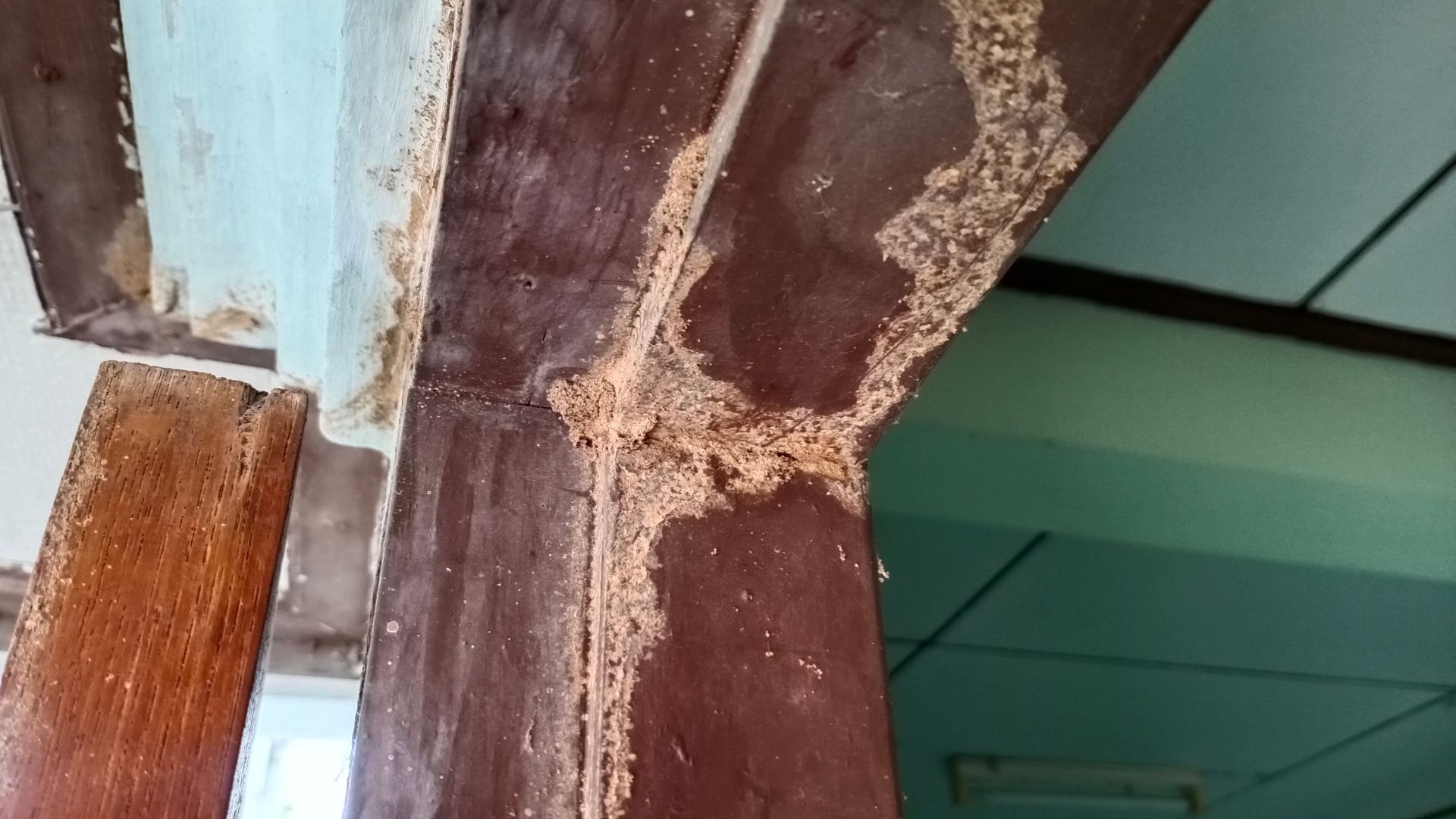
What is termite damage repair?
Termite damage repair replaces or reinforces the structural wood that termites have eaten. Extermination and termite damage repair are two separate jobs: extermination kills the colony, and termite damage repair rebuilds what the colony destroyed. A pest-control company treats termites; a repair contractor restores the structure. New Orleans Termite Damage Repair is the second step, performed after treatment confirms the colony is dead.
How much does termite damage repair cost in New Orleans?
Termite damage repair costs $1,000 to $10,000 or more, and structural repairs to load-bearing wood run higher. The figures below are national cost ranges for 2026; a local inspection sets the actual number, because termite damage often extends beyond what is visible.
| Repair | Typical cost (2026) | Notes |
|---|---|---|
| Minor / cosmetic (drywall, trim, paint) | $300 – $2,000 | Surface damage only |
| Floor joist replacement | $350 – $1,000 per joist | Sistering runs $500 – $1,200 per joist |
| Wall framing replacement | ~$2,000 | Per damaged section |
| Major structural (beams, subfloors, load-bearing walls) | $5,000 – $15,000+ | Often needs an engineer's sign-off |
| Sill plate replacement | $12,000 – $35,000 | $100 – $200 per linear foot; the structure is lifted on hydraulic jacks |
| Structural engineer assessment | $300 – $900 | Required for load-bearing damage |
Budget a 10–25% contingency: hollowed joists and sill plates often surface once repair work opens the structure. Ranges attributed to national cost data (HomeGuide / Angi, 2026).
What parts of a New Orleans home do termites damage?
Subterranean termites attack from the ground up. Formosan subterranean termites reach the lowest wood first — sill plates and rim joists sitting on the foundation, the base of wall studs, and the subfloor — then move upward through the framing. Raised and pier-foundation homes across New Orleans expose those low structural members directly to soil-borne colonies, which is why sill and joist damage is the repair New Orleans homes need most.
Sill plates & rim joists
The lowest wood on the foundation is reached first. Replacement means lifting the affected section on hydraulic jacks and installing new pressure-treated lumber to code.
How it's repaired →Floor joists
Partially damaged joists are sistered with new lumber alongside; hollowed joists are removed and replaced, with the subfloor repaired in the same pass.
How it's repaired →Subfloor
Compromised subfloor panels are cut out and replaced section by section, co-scheduled with joist work when damage runs through the floor system.
How it's repaired →Wall studs & framing
Termites travel up through the base of wall studs. Damaged framing is replaced in sections, with drywall, insulation, and finishes rebuilt last.
How it's repaired →Beams
Load-bearing beam damage is the most serious repair — assessed and specified by a structural engineer before any wood is replaced.
How it's repaired →An on-site assessment maps the damage before any wood is ordered. Load-bearing damage gets a structural engineer's sign-off.
Request a repair estimateWhy is termite damage so common in New Orleans?
The Formosan subterranean termite is the most destructive insect in Louisiana, and New Orleans sits at the center of the problem. The USDA-ARS ran Operation Full Stop in the French Quarter from 1998 to 2012; the program reduced the population but did not eliminate the colonies, and a 2025 follow-up study found roughly half of French Quarter structures still carry termite bait today. Formosan termites swarm across New Orleans from April through July, with the first major swarm around Mother's Day — the season when homeowners most often discover the damage already done.

Insurance note: most Louisiana homeowners insurance policies do not cover termite damage. Insurers classify it as a preventable maintenance issue rather than sudden accidental loss, so repair costs typically fall to the homeowner. Read your own policy — coverage terms vary.
How termite damage repair works
Treatment is confirmed
A licensed pest professional confirms the colony is eliminated — repairing before treatment lets termites return to new wood.
Damage is assessed
A repair contractor assesses the damage, and load-bearing damage gets a structural engineer's sign-off.
The structure is rebuilt
The contractor removes and replaces the compromised wood — sill plates, joists, subfloor, framing — and rebuilds surrounding finishes last.
Serving the parishes under Formosan pressure
Louisiana's Formosan termite quarantine has covered the metro parishes since 2005 — Orleans, Jefferson, St. Bernard, St. Tammany and their neighbors all sit inside it.
Termite damage repair FAQ
Answers cover repair scope, cost, insurance, and timing. For anything specific to your home, an on-site assessment is the honest answer.
Call (504) 226-6094Is termite damage repair the same as termite treatment?+–
No. Termite treatment kills the colony; termite damage repair rebuilds the wood the colony destroyed. New Orleans Termite Damage Repair is performed after a licensed pest professional confirms the termites are eliminated.
Can termite damage be repaired?+–
Yes. Termite damage repair replaces or reinforces damaged structural wood — sill plates, floor joists, subflooring, and framing. Severe load-bearing damage is repaired after a structural engineer evaluates the home.
How much does termite damage repair cost in New Orleans?+–
Termite damage repair ranges from $300 for cosmetic fixes to $15,000 or more for major structural work such as sill plate or beam replacement. A local inspection sets the figure, since hidden damage is common.
Does insurance pay for termite damage in New Orleans?+–
Most Louisiana homeowners policies exclude termite damage as a preventable maintenance issue. Homeowners should confirm terms with their own insurer.
How long does termite damage repair take?+–
Timeframe depends on scope — cosmetic repairs finish quickly, while sill plate or joist replacement that requires lifting the structure takes longer. An on-site assessment sets the schedule.
Get your New Orleans Termite Damage Repair estimate
A local inspection sets the actual number — termite damage often extends beyond what is visible.